
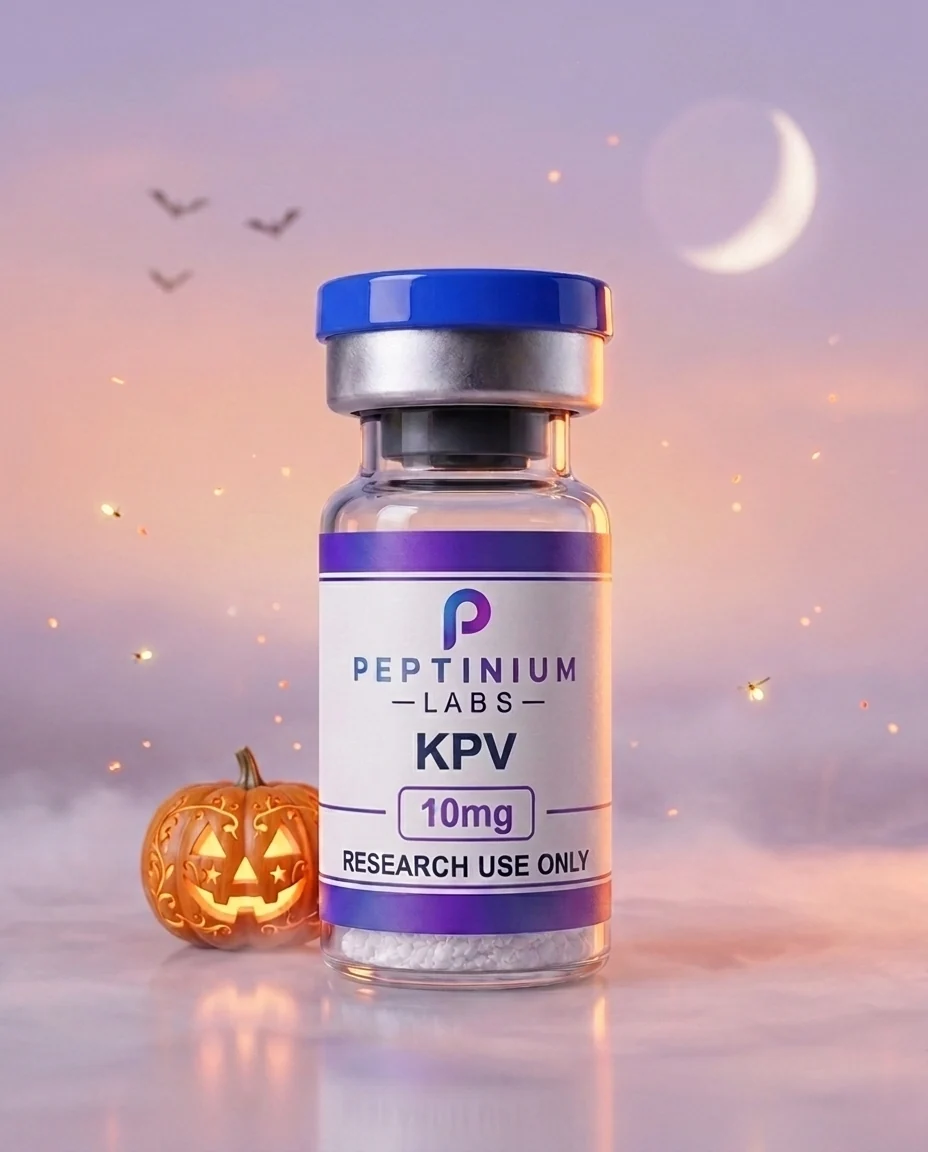
Cap colour may vary by batch.
For research use only
KPV
C-terminal tripeptide of α-MSH (Lys-Pro-Val) — in vitro study tool for the NF-κB pathway.
DosagePurity ≥ 99.0% (HPLC)
€74.00per 10 mg vial
i.e. €7.40 per mg
Out of stock
Shipped within 24 business hours from France, in neutral packaging.
Free shipping from €249. Minimum order €80; delivery options and fees shown on the payment page.
Card, Apple Pay or crypto (USDC, USDT, Bitcoin).
A question about this product?
Research Use Only — Laboratory use exclusively. Not intended for veterinary, diagnostic or therapeutic use. No indication for in vivo use. To be handled exclusively by qualified personnel.
Literature
What the literature describes
KPV is the C-terminal tripeptide of α-MSH (residues 11-13). Unlike full-length α-MSH, it has no significant affinity for melanocortin receptors and acts mainly intracellularly. Studies (PMID 18061177, PMID 12750433) describe inhibition of the NF-κB pathway, leading to reduced production of the pro-inflammatory cytokines IL-1β, TNF-α, IL-6, and IL-8. In vitro, KPV decreases neutrophil chemotaxis and IκB phosphorylation. Direct antimicrobial effects and modulation of the intestinal epithelial barrier (tight junction reinforcement) have also been documented. No hormonal effect has been reported. These data come from the scientific literature and are provided strictly for informational purposes in a research context. This product is not intended for veterinary, diagnostic or therapeutic use and is not recommended for any use outside a scientific, professional and research setting. [1][2][3]
- Research background
- Tripeptide used as an experimental tool for inhibiting the pro-inflammatory NF-κB pathway in cellular models.
- Reconstitution (lab)
- Sterile bacteriostatic water. Dilution calculator
Chemical identity
What the vial contains
Reference data for the compound. Measured values appear on the Janoshik certificate, when published.
- Research name
- KPV
- CAS No.
- 67727-97-3
- Molecular formula
- C19H26N4O4
- Molecular weight
- 390.43 g/mol
- Specified purity
- ≥ 99.0% (HPLC)
- Vial content
- 10 mg
- Storage
- Lyophilized: refrigerated (2–8 °C) from receipt, protected from light, or at −20 °C for long-term storage; it tolerates a few days of shipping at room temperature with no expected degradation. Reconstituted: refrigerated (2–8 °C).
- Database
- PubChem
Independent analysis
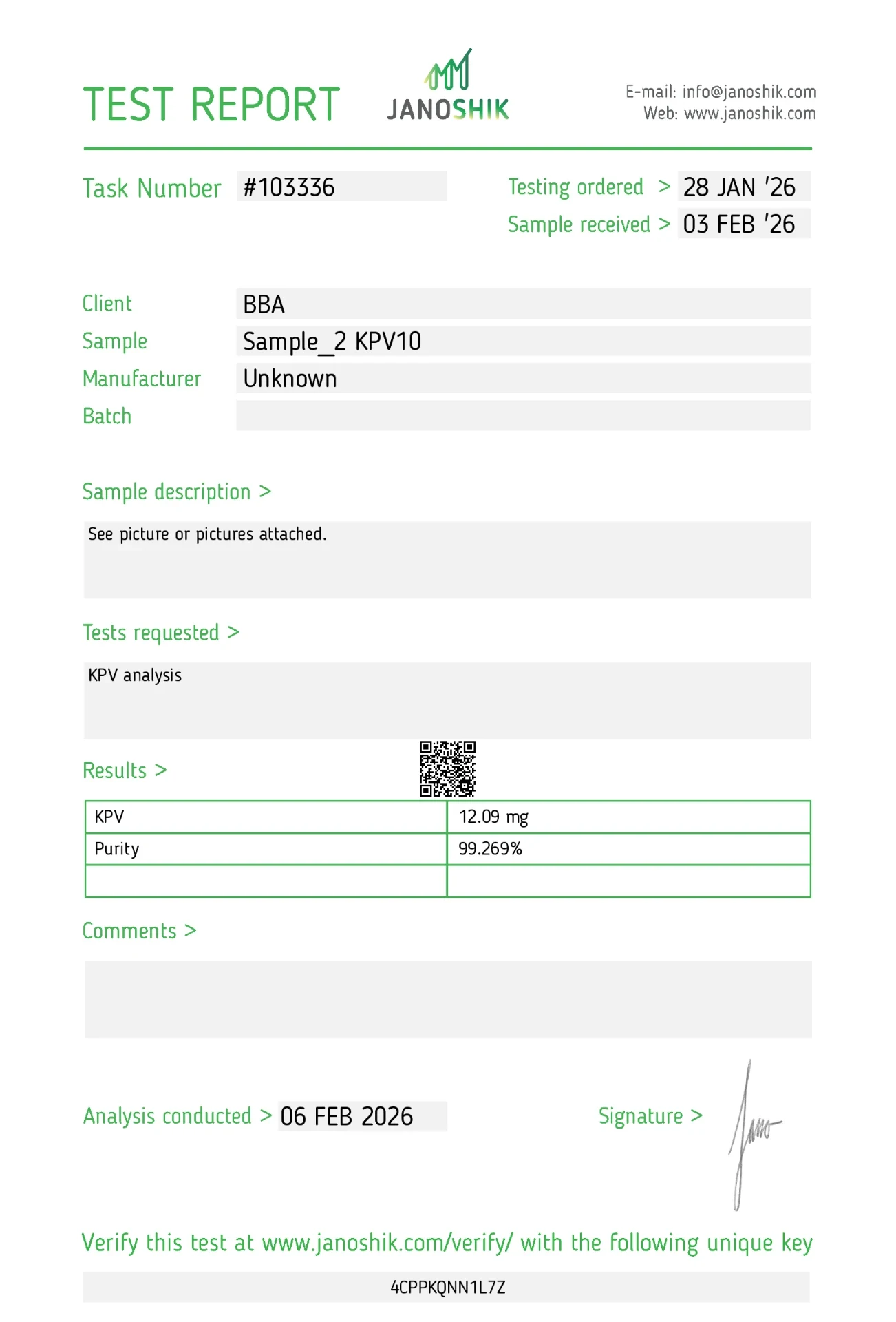
Certificate for 10 mg
Report from Janoshik Analytical, an independent laboratory, for this exact dosage. The data below are taken from the report.
Janoshik certificate for this dosageCommissioned by: third-party report
- Purity
- 99.269% (12.09 mg)
- Janoshik task
- #103336
- Tested
- 06/02/2026
Questions
Frequently asked questions
What does a vial of KPV contain?
Each vial contains lyophilised KPV, available in 10 mg. Purity ≥ 99.0% (HPLC), tested by an independent laboratory.
How can I check the purity of KPV?
The Janoshik Analytical (independent laboratory) certificates we hold are shown on this page for the matching dosage and can be verified directly on the laboratory's website. For a dosage without a published certificate, testing is in progress or available on request.
How should KPV be stored?
Lyophilized: refrigerated (2–8 °C) from receipt, protected from light, or at −20 °C for long-term storage; it tolerates a few days of shipping at room temperature with no expected degradation. Reconstituted: refrigerated (2–8 °C).
How is KPV reconstituted in the laboratory?
Sterile bacteriostatic water. The site's dilution calculator helps prepare the desired concentration.
Is KPV intended for human use?
No. KPV is a research reagent (RUO) intended exclusively for in vitro laboratory research. It is not intended for human or veterinary use, nor for diagnosing, preventing or treating any disease.
References
Cited sources
- [1]PubMedPMID 12750433PubMed · 12750433View on PubMed
- [2]PubMedPMID 17934097PubMed · 17934097View on PubMed
- [3]PubMedPMID 10670585PubMed · 10670585View on PubMed
Blog
Related guides
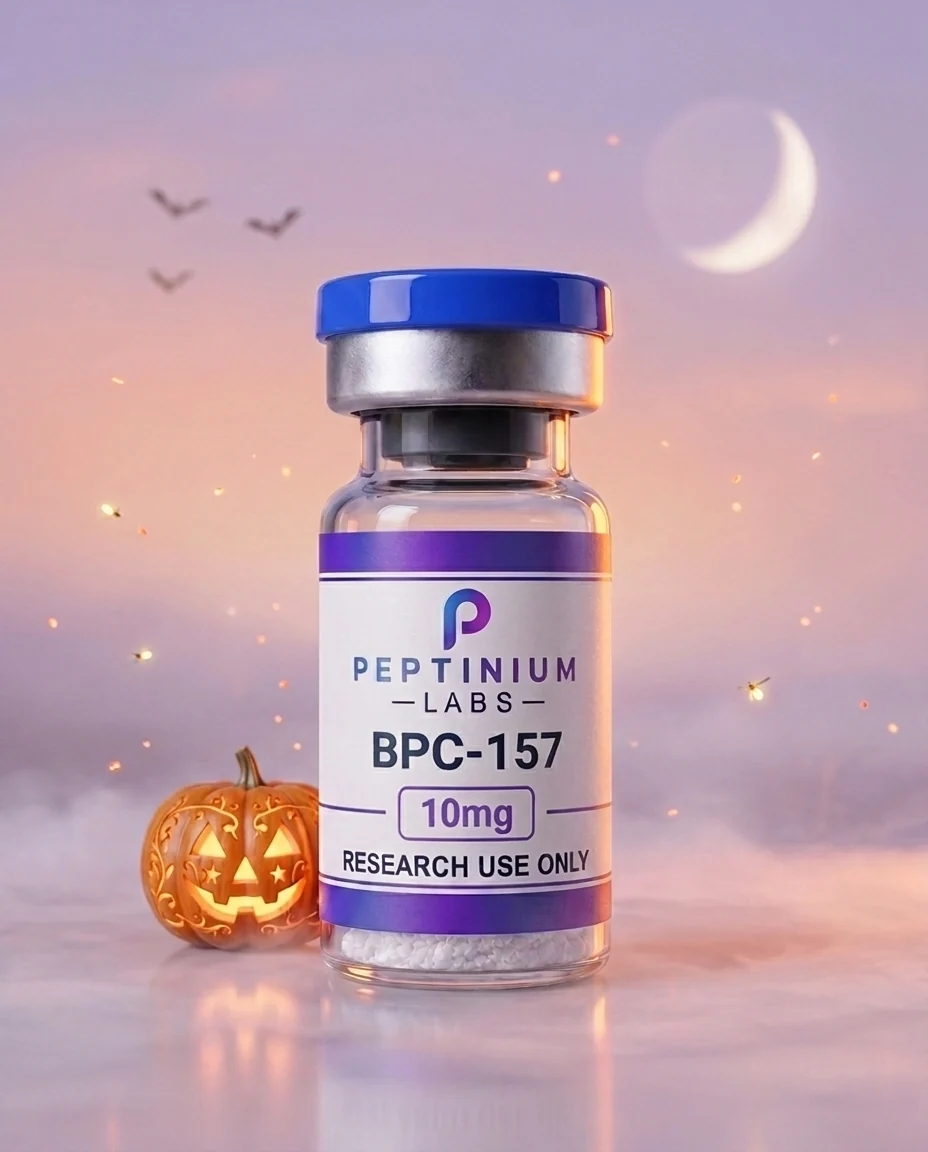
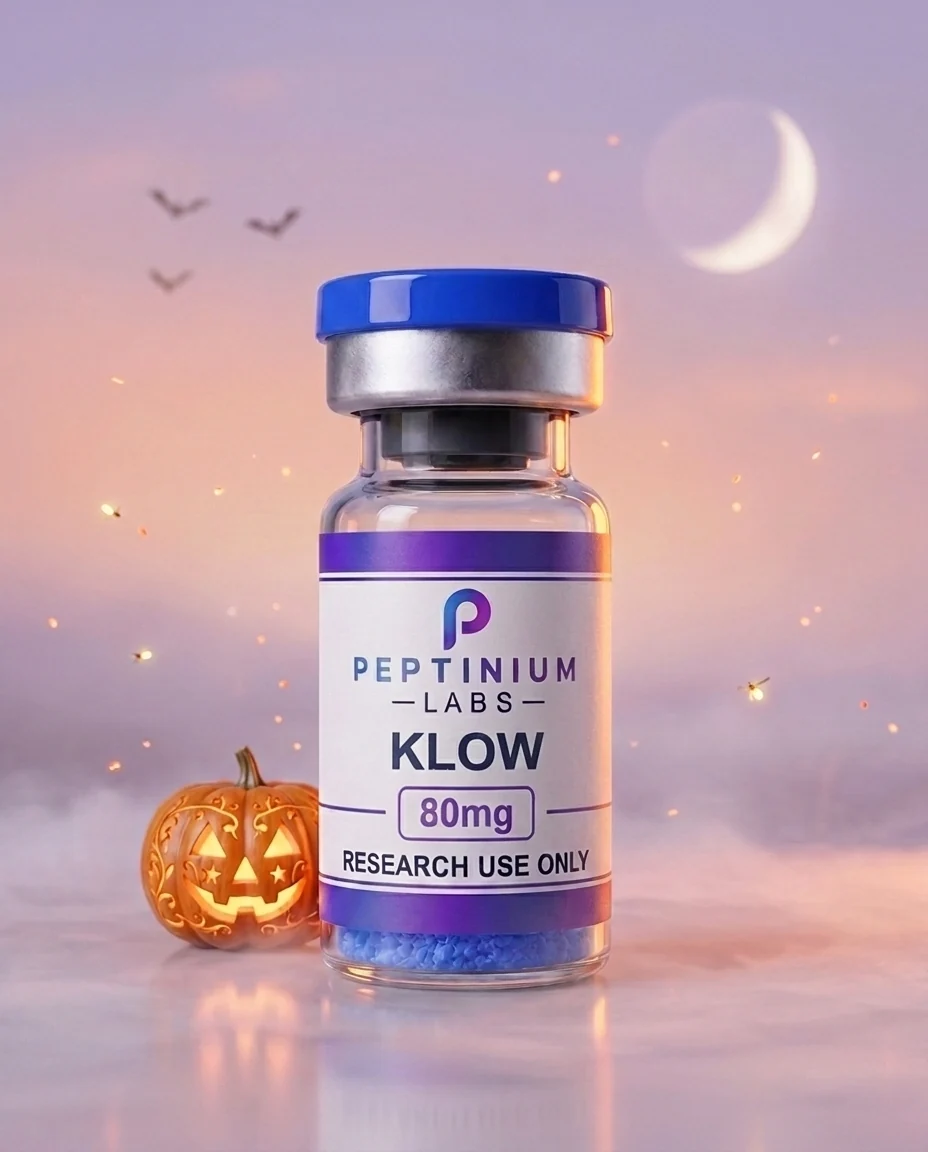
KLOW: the scientific rationale behind this four-peptide repair blendGHK-Cu, BPC-157, TB-500 and KPV combined in a single protocol: why the literature studies these four mechanisms as complementary rather than redundant.Read the articleKPV: the smallest active fragment of α-MSH studied for the NF-κB pathwayThree amino acids, no melanocortin affinity, but a reported action on the inflammatory NF-κB pathway: what the literature documents about KPV.Read the articleResearch peptides in France: the 2026 guideRUO framework, choosing a supplier, HPLC purity, Janoshik certificates of analysis, storage and reconstitution: the essentials on research peptides in France.Read the article
Same family
Related products
Customer reviews
What our customers say
No review yet for this product.
Leave a review
Sign in to your account to leave a review.
Sign in